


Christmas in Mexico: Traditions, Decor and Gift Ideas
In Mexico, Christmas rarely fits into a single day. You start to feel it when the first poinsettias reach the markets. It gathers pace through the posadas and stretches well into January, when the rosca arrives on the table, and for many families all the way to the tamales of February. If you're celebrating with Mexican family, marrying into it, or simply curious, the season can be hard to follow from the outside.
This guide walks through it in order, separates what's documented from what's handed down as custom, and offers concrete ideas for your home and your gifts. One caveat first: Mexico is huge. What we describe here varies by region, by faith, and by family.
The season at a glance
- December 12: the feast of the Virgin of Guadalupe, for many people the emotional start of the season.
- December 16–24: the nine posadas.
- December 24–25: Nochebuena (Christmas Eve) and Christmas Day.
- December 31–January 1: New Year's Eve and New Year's Day.
- January 6: Día de Reyes, or Three Kings' Day.
- February 2: Día de la Candelaria, or Candlemas.
Día de Muertos, in early November, is a separate celebration with its own meaning and symbols. Blending its imagery into Christmas décor may look like a nod to Mexico, but it confuses two traditions that each deserve their own place.
Las posadas: asking, opening, gathering
Posadas take place from December 16 to 24 and recall Mary and Joseph's search for lodging. Researcher María Angélica Galicia Gordillo of UNAM's Institute of Anthropological Research explains that they began to take formal shape in the 16th century, especially at San Agustín Acolman, where friars used them to teach the story of Jesus's birth. European novenas and misas de aguinaldo fed into them, and Indigenous communities, for whom song, dance, and shared celebration had long been ritual practice, gave them their festive, communal character.
To be candid, accounts of the exact origin differ from one source to another, so we'd rather not present one date as the final word. Their present-day meaning is clearer. According to the same researcher, participation has fallen in cities, while many towns still keep all nine days. The core remains: making a place for people to come together.
The piñata
During the colonial-era evangelization, UNAM notes, the piñata served as a teaching tool: its seven points stood for the deadly sins, and breaking it for the triumph of virtue. That weight has faded over time, and today it's mostly about the game. If you're hosting children, the old meaning makes a good story to tell before the swinging starts.
How to host a simple posada
These are our suggestions, sized for a home rather than a hall:
- Print the letanía, the sung exchange, or send it by text. Nobody knows all the verses, and that's part of the fun.
- Divide guests into those asking for lodging outside and those answering from within.
- Ask each family to bring something: tamales, buñuelos, ponche, or colación candies.
- Hand out aguinaldos, little bags of candy, fruit, and peanuts. Pack them the day before.
- If you use small candles, watch children closely and keep flames away from clothing and decorations. Flameless candles are a perfectly respectable choice.
The poinsettia's Mexican story
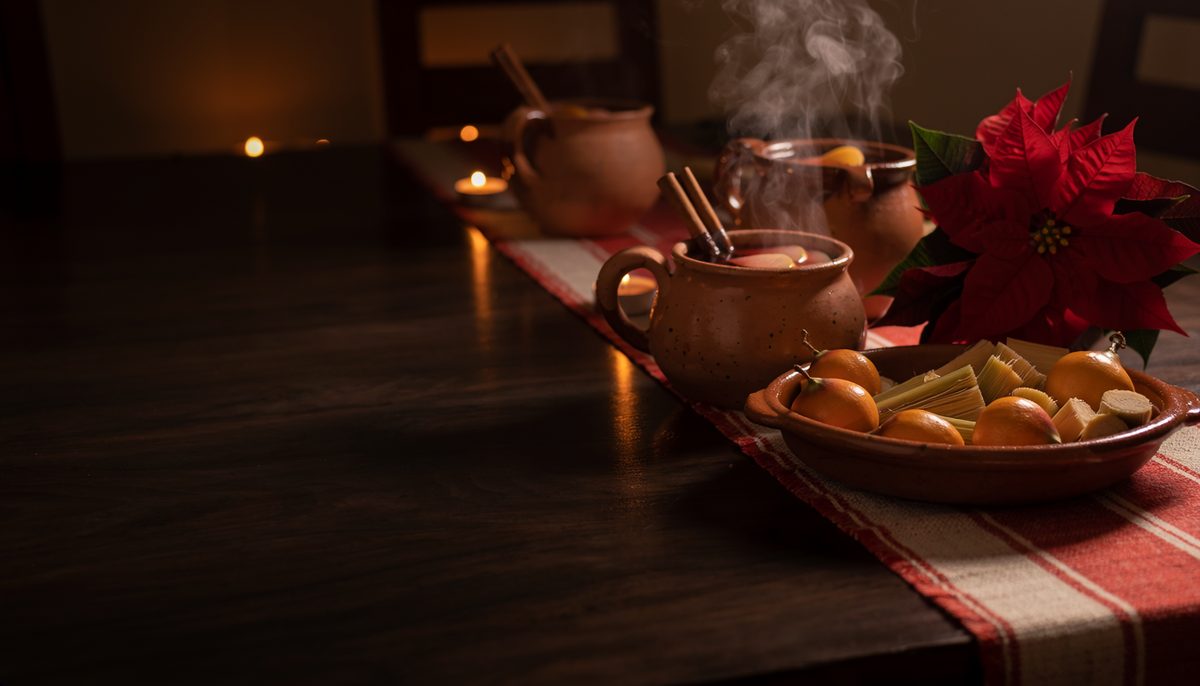
Few plants tell the season's story so well. According to Mexico's environment ministry, the nochebuena, or cuetlaxóchitl, was domesticated by Mexico's original peoples and grows wild in the dry tropical forests of the Pacific side, from Sinaloa to Chiapas and on into Guatemala. Its Nahuatl name is usually translated as "flower that withers" or "leather flower." The English name honors Joel Roberts Poinsett, the American diplomat who sent specimens home in the late 1820s. During the colonial period it was already used to decorate churches at this time of year.
What most people call petals are actually bracts, which are colored leaves. And there's life beyond red: white, pink, salmon, yellow, and marbled varieties all exist.
To help yours last, give it indirect light, keep it away from drafts and heaters, and water only when the soil feels dry. If you have pets, keep it out of reach. The ASPCA lists it as toxic to dogs and cats because its sap irritates the mouth and stomach, while noting that its toxicity tends to be overstated.
Decorating with roots, without a costume
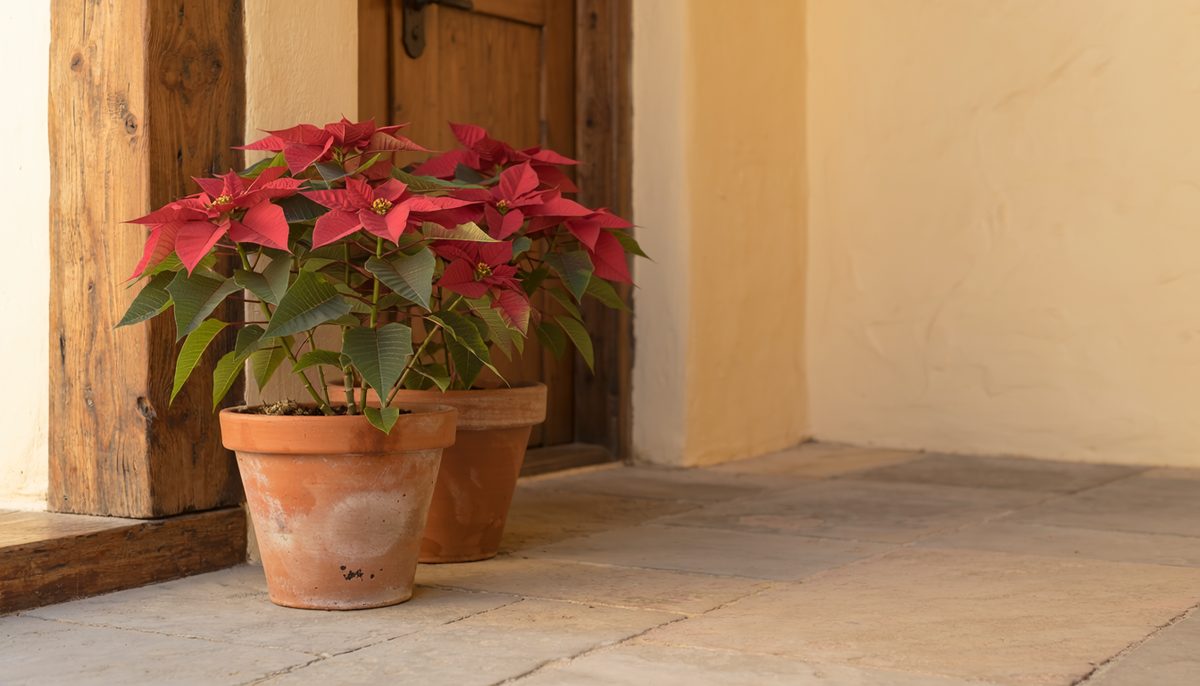
You don't need to fill the house with red and green. Here's what we like, and this part is simply taste:
- One well-made corner beats ten scattered ornaments. Choose a spot, like the entry or a shelf, and give it your attention.
- Clay, glass, and natural fibers. They pair easily with poinsettias, pine branches, and fruit such as oranges, tejocotes, or pomegranates.
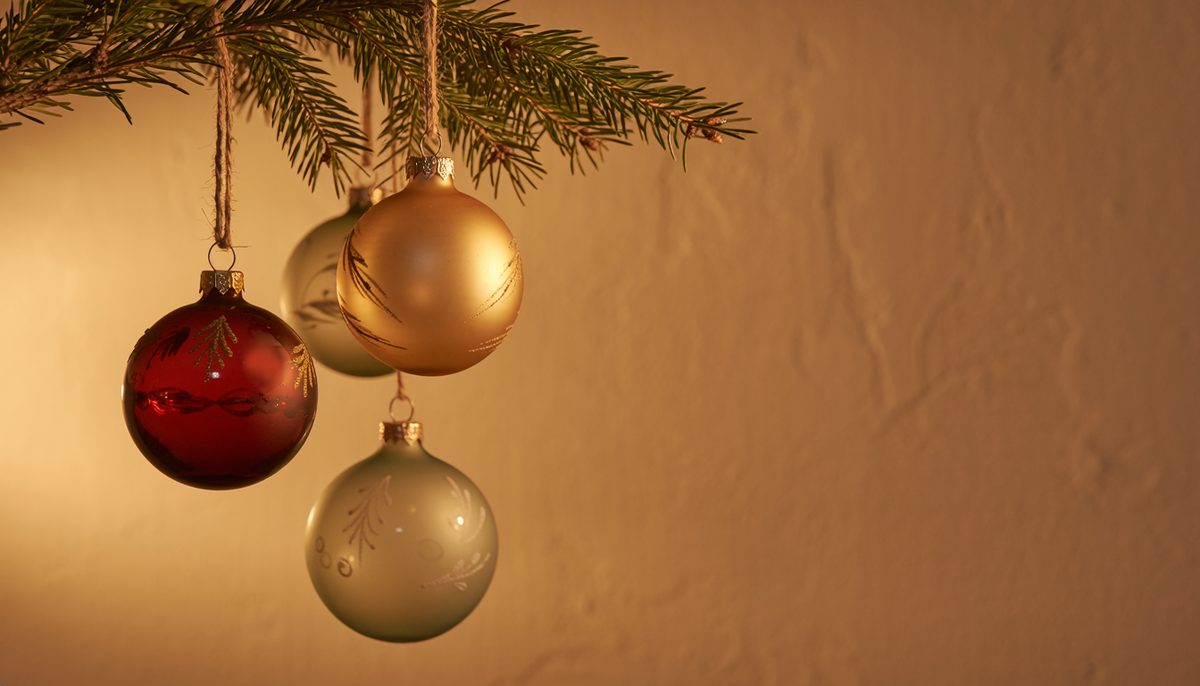
- Hand-blown glass ornaments. Tlalpujahua in Michoacán and Chignahuapan in Puebla are both known for this craft. Mexico's culture ministry describes a process of blowing, decorating, trimming, and packing. A single box, stored carefully each year, can become a family tradition of its own.
- The nacimiento. If your home sets up a nativity scene, give it its own place. Many families add the baby Jesus on the night of the 24th and the Three Kings on their day.
- Warm light. A few warm sources look better than many cool ones. Turn off candles and light strings when you go out or go to bed.
Giving with intention
December piles up obligations, and they don't all call for the same thing. Here's how we'd sort them:
- For the person hosting: something to share that same night, or a small gift for the home that doesn't come with any duty to display it.
- For close family: a piece made to last, with a card saying where it was made and why you thought of them. Our guide Gifts with a Story can help you choose.
- For the office exchange: something useful and neutral. Steer clear of anything too personal or religious, since you don't know who will receive it.
- For anyone far away: ship early. If the piece is fragile, ask how it's packed before you pay.
- For children on Reyes: many families save the most anticipated gift for January 6. It's worth agreeing among the adults on what Santa brings and what the Kings bring, if both visit your home.
If you're giving clay pieces meant for serving ponche or food, confirm first that they're suitable. The FDA has warned about lead in some traditional pottery, which matters all the more in hot-ponche season.
Nochebuena, New Year, and the long finish
The dinner on the 24th is, in many homes, the center of everything. Menus vary so much by region and family that we won't dictate one. New Year's Eve brings rituals of its own, such as the twelve grapes that many families eat with a wish at each chime.
Día de Reyes
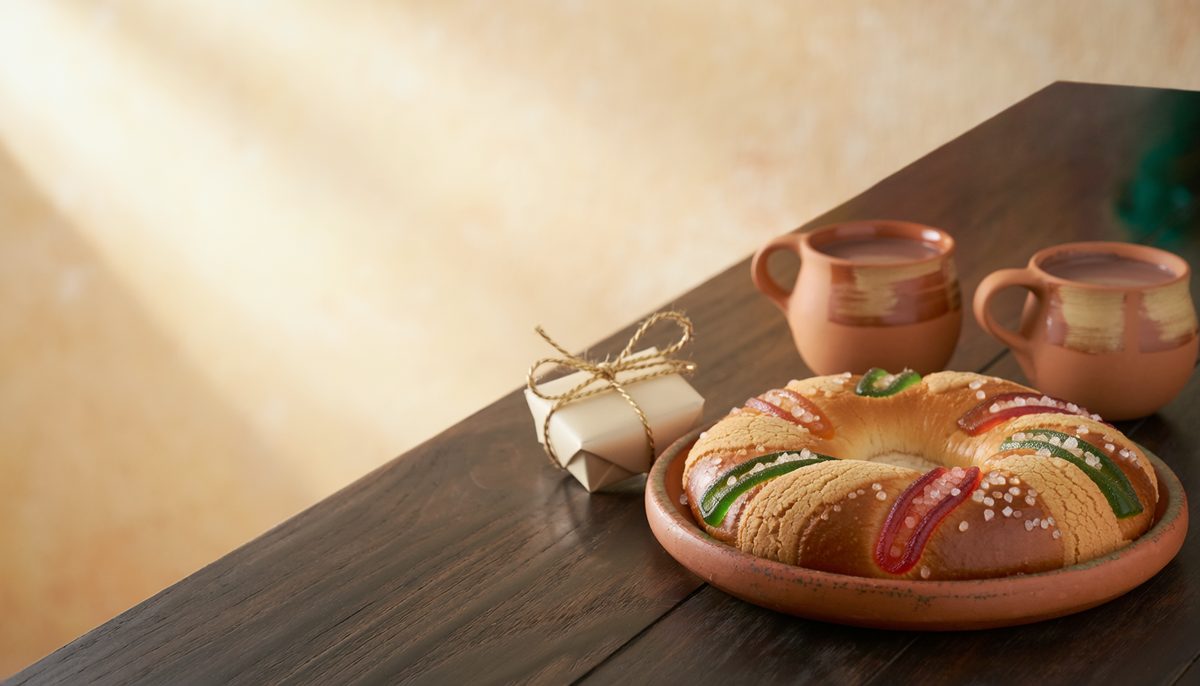
January 6 marks the visit of the Three Kings. The rosca, a ring-shaped sweet bread, is a custom that Mexico's culture ministry says gained strength in the Middle Ages and reached Mexico in the early years of the Viceroyalty. For Christians, its circular shape symbolizes God's eternal love. It goes beautifully with hot chocolate and an honest cut: if everyone slices their own piece, nobody can be accused of dodging the tiny figure hidden inside.
Candelaria
And then the debt comes due. By custom, whoever finds the figure provides tamales and atole on February 2, and in many families also dresses the Niño Dios and takes it to be blessed. With that, the season finally closes.
What stays after the ornaments are packed
The best part of a Mexican Christmas isn't in the boxes. It's the way the season makes you open the door: to ask for shelter, to offer it, to share the same bread. If you only manage one thing this year, invite someone over.
CAXAMIA is still building its catalog, so for now these ideas are all we have to offer. When we have pieces we can stand behind with real information, you'll find them here. Happy holidays.